





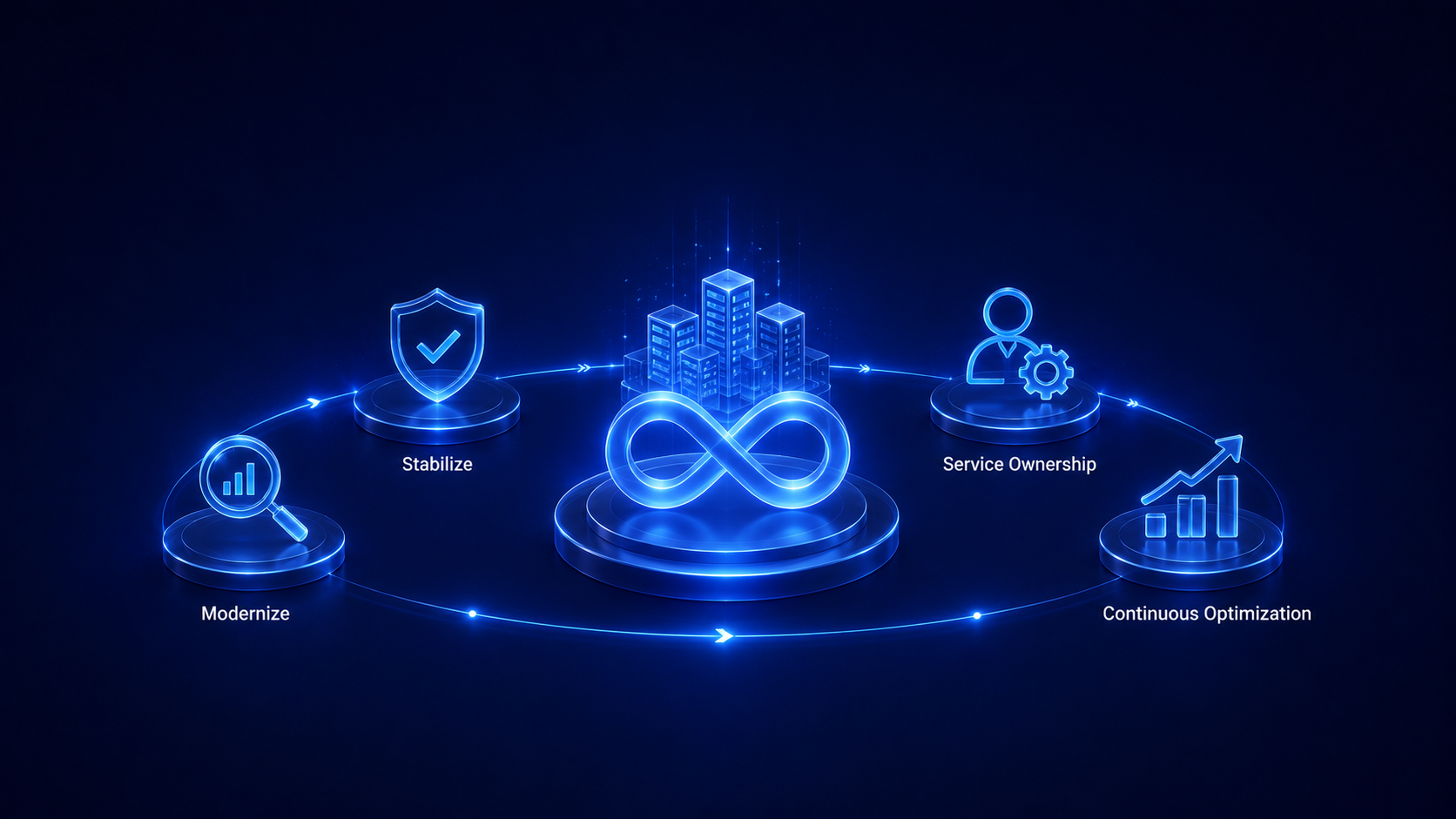
Reliability
Delivery speed
Security & governance
Economics
Operations
Platform adoption


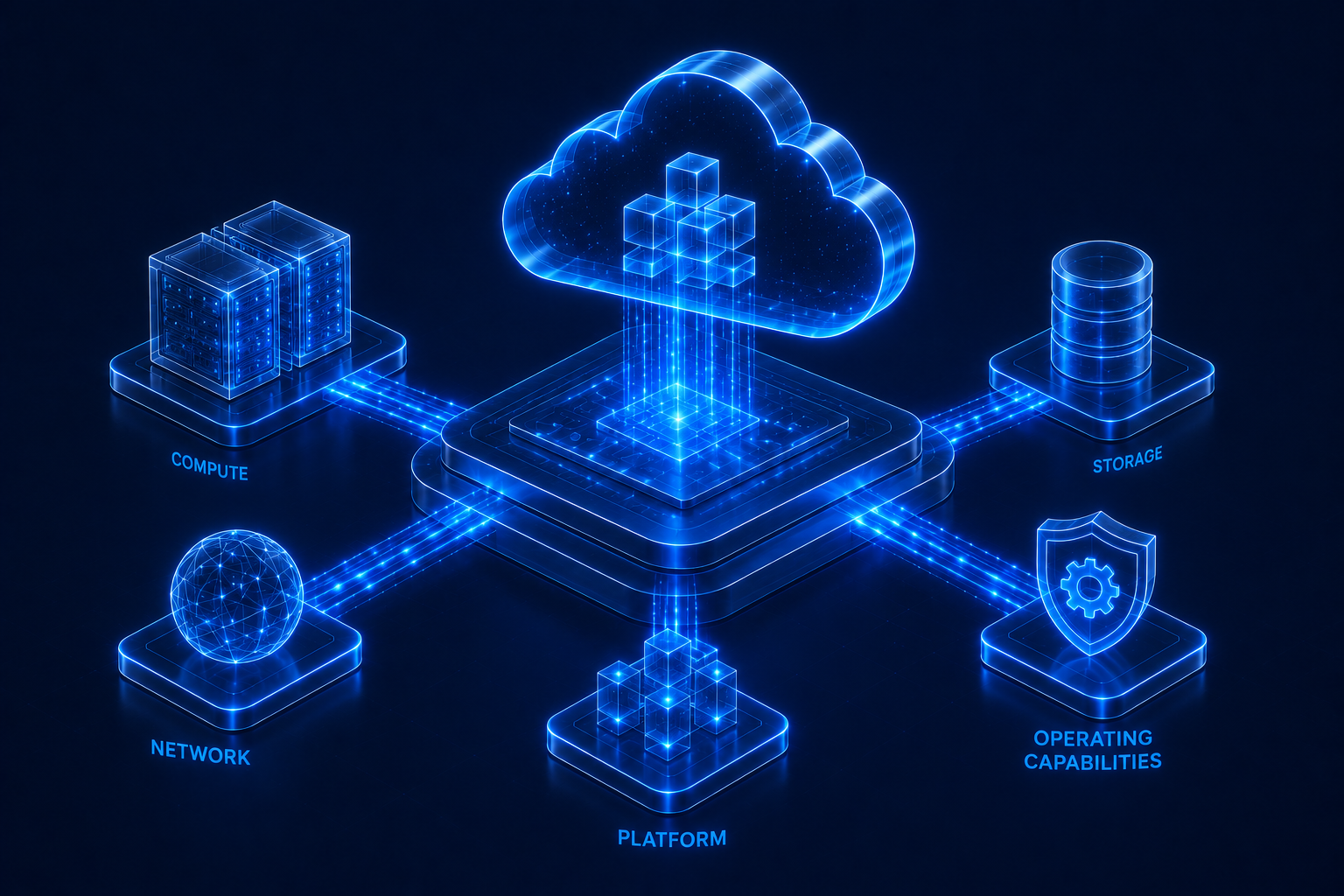
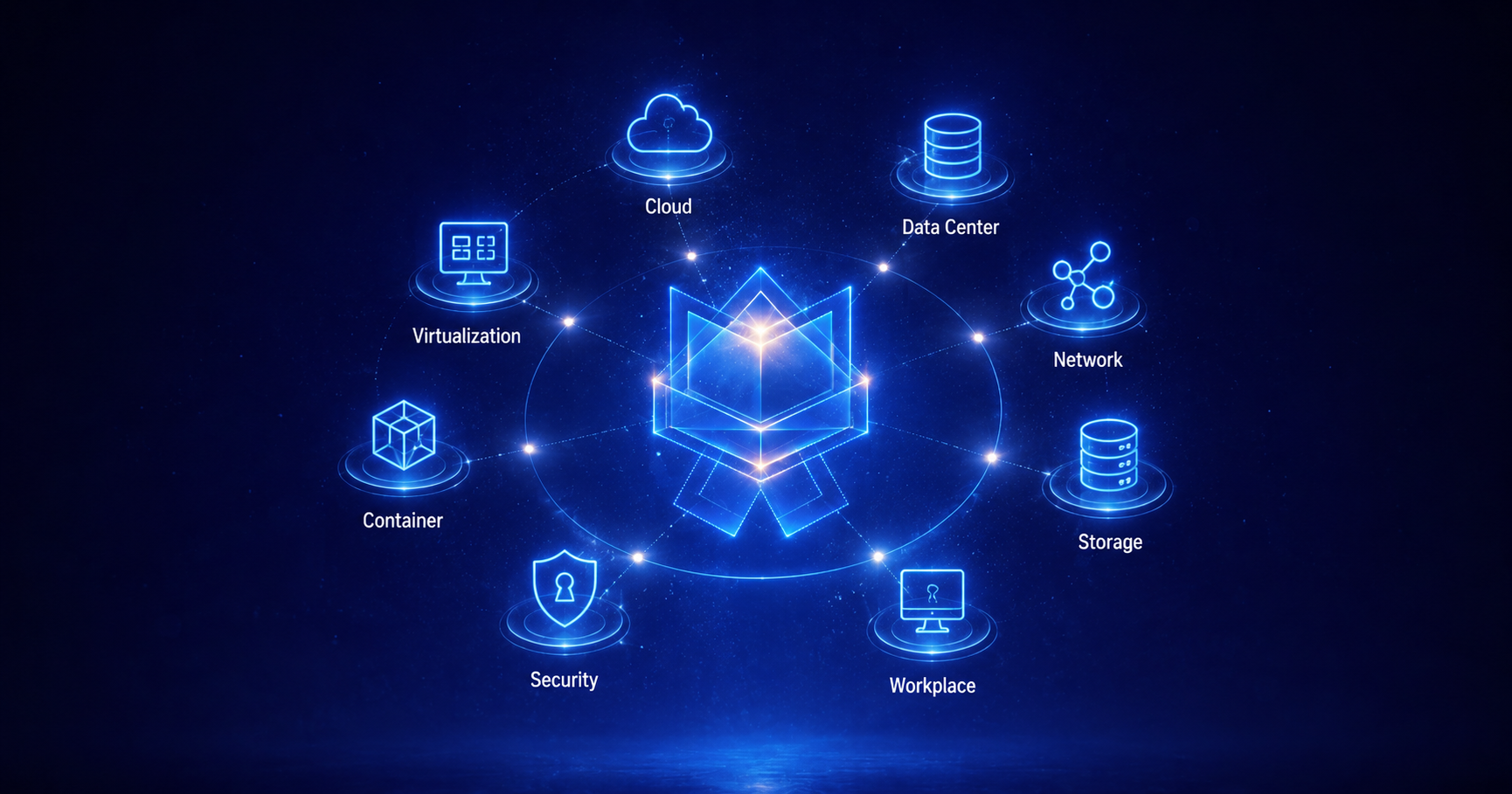
Infrastructure modernization is the coordinated redesign of data center, cloud, network, compute, storage, security, platform and operating capabilities. It improves how infrastructure is delivered, protected, recovered, governed and optimized, not simply where it is hosted.
Cloud migration moves workloads. Modernization determines the right workload destination and changes architecture, automation, security, resilience, observability, governance and operations so the organization gains more than a different hosting model.
No. WCT evaluates business, technical, regulatory, performance, latency, cost and lifecycle requirements before recommending whether a workload should be retained, retired, replaced, rehosted, replatformed or refactored.
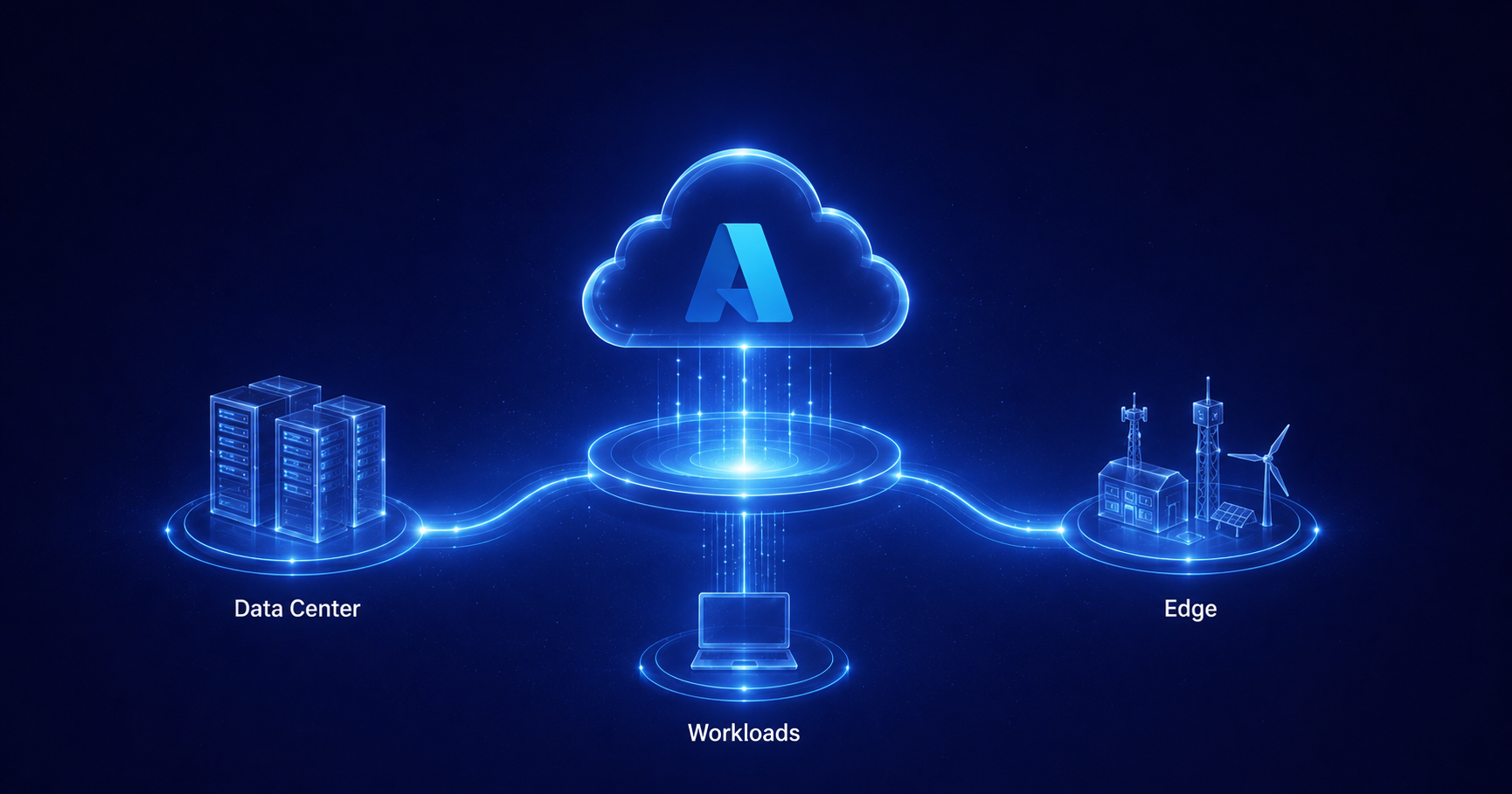
Yes. WCT designs consistent connectivity, identity, policy, observability, security and operations across on-premises, edge and public-cloud environments while preserving the flexibility to place workloads appropriately.
The WCT approach uses dependency discovery, workload segmentation, pilot validation, controlled migration waves, cutover governance, testing and rollback planning. Critical workloads are modernized according to business continuity and recovery requirements.
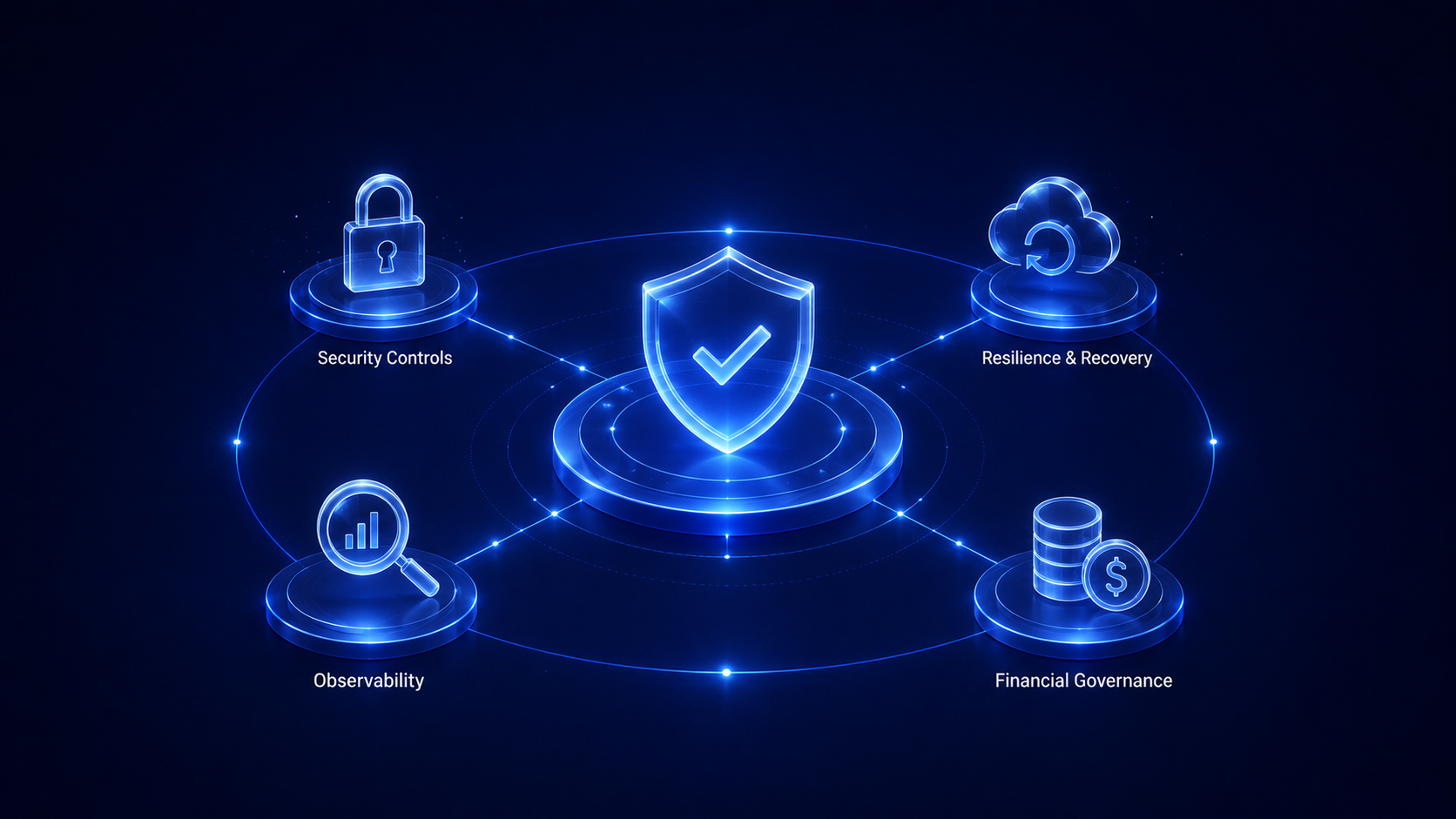
Security and governance are included in discovery, architecture, implementation and operations. The approach covers identity, least privilege, segmentation, policy, configuration, logging, vulnerability management, recovery and compliance requirements.
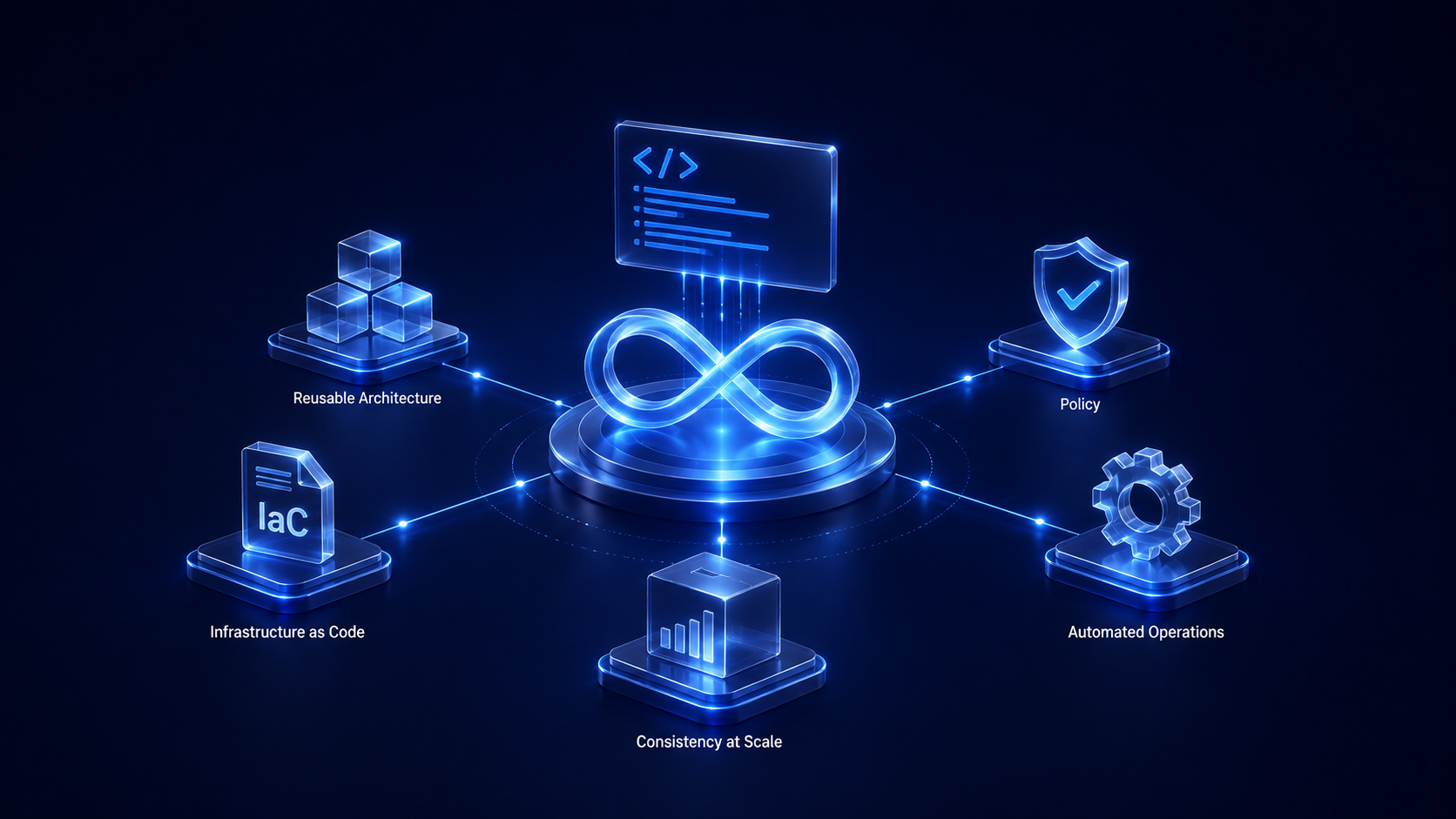
Infrastructure as Code, configuration standards, automated policy and reusable platform patterns improve consistency, speed and auditability. Automation also reduces the manual work required to operate and optimize the environment.
WCT establishes a baseline, evaluates workload economics, sequences investment, improves utilization and embeds FinOps practices into the operating model. Cost is managed as a continuous architecture and operations discipline.
AI-ready infrastructure combines appropriate compute, storage, data movement, network, security, governance, platform engineering, observability and cost controls. The exact architecture depends on workload scale, latency, data and operating requirements.
WCT supports stabilization, service transition, monitoring, governance, resilience, performance and cost optimization. Managed infrastructure services can extend the modernization program into continuous operations and improvement.



.svg)
